

We use cookies on this site to improve our service, perform analytics, and remember website preferences. By using this site, you consent to these cookies. For more information visit our Privacy Policy
A regionally-tailored approach to collaborative primary care
To fill identified gaps in primary care, HHF collaborated with leaders from across the Sarnia-Lambton region to develop three unique care models that can be implemented within current resource constraints. The services will improve experiences for patients and care providers while supporting universal attachment, frailty prevention, and streamlined chronic conditions management.
Client
Sarnia-Lambton Ontario Health Team
Services
Service Design, Co-design Workshops
Challenge
Interdisciplinary primary care is a critical aspect of healthcare transformation, and one that has been championed in recent years by leaders in primary care. Ontario Health’s Primary Care Action Team (PCAT), launched in 2025 and led by Dr. Jane Philpott, has emphasized the link between team-based care and ensuring universal attachment, improving delivery of quality care, and attracting and retaining care providers.
The Sarnia-Lambton Ontario Health Team (S-L OHT), which represents a wide and diverse region of southwestern Ontario, knew that interdisciplinary team-based services were required to prepare for the future. They also knew the importance of a localized approach to designing these services to best meet the needs of their region, which includes a rapidly increasing elderly population (many of whom are not attached to a PCP), a growing population of industrial workers, newcomers to Canada, and seasonal migrant farm workers. The OHT reached out to HHF to plan a process that would engage voices from all levels of healthcare delivery to gather insights about gaps in care, design innovative care models, and validate the desirability of these new services—all while limiting our use of net-new resources.
Process
Discovery
This project was grounded in human-centred engagement with a broad range of voices across the Sarnia-Lambton region. The process began with weekly collaboration meetings with OHT leadership. To gain a deeper understanding of needs and opportunities, we conducted over 18 hours of semi-structured interviews and group engagements with a wide range of participants, including: frontline providers, organizational leaders, Indigenous health leaders, and patient partners.
Through our interviews we learned more about gaps in care, silos in existing care models, and the need for a new service to overcome these challenges. We discovered that the best solution for this region was going to be a specialized primary care Hub that would deliver collaborative interdisciplinary care.
When I think of hubs, a lot of people are stuck on the medical model. But when you look at hubs in other places in the world they offer a more holistic practice.
Healthcare Provider

A “Hub” is a primary care site that brings together a group of affiliated providers from several different organizations to deliver care together.
However, a Hub is more than just a space.
The team members work in a collaborative care model to deliver new services that fill local gaps. This is achieved in part by reconfiguring existing resources (like team members, tools, and funding) and in part by adding new resources.
In order to tailor the hub to local resources and need, we had to work directly with local providers and planners. We held a co-design workshop in which participants worked through challenges and generated potential solutions together. Bringing so many people together in a room allowed them to share their day-to-day concerns, understand one another’s needs, collaborate toward common goals for new services, but also to debate trade-offs and mediate differing viewpoints in order to move forward. This participatory approach helped to shift the process from top-down to bottom-up decision making, ensuring that people who are closest to the problem are also the ones to envision the solution.
What We Discovered
Holistic care addresses the root causes of wellness
In order for patients to get the most out of medical care, their social and mental wellness needs must also be addressed.
Care for the “missing middle” slows decline
Lower acuity patients often struggle to find services until they are sick enough for the hospital. Early prevention can improve long-term outcomes.
Distribute work more equitably
Developing care models with flexible roles means that the PCP does not always have to be the patient’s main point of contact. This gives PCPs more time for patient care.
An innovative Hub can attract talent
Offering a more collaborative and flexible work environment can be seen as a core strategy to attract and retain talented providers in the region.
Synthesis
We then synthesized the findings from our research to create three detailed Hub model concepts that were presented at a second virtual workshop with an additional 10 participants. This engagement gathered feedback on the three concepts, improving their feasibility and further tailoring them to the needs of each target population. The second workshop also provided us with an opportunity to dig deeper into implementation considerations like key enablers and sharing of existing resources.
The design process was further supported by ongoing validation by the region’s Primary Care Advisory Panels and patient partners, ensuring that emerging models remained grounded in both lived experience and system realities.
This collaborative work helped us to refine the three Hub concepts into detailed service models that would meet the needs of the region. These models are described at a high level below:

A bridging service for unattached patients
There are many people in Sarnia-Lambton who are not attached to a primary care provider, and long periods of unattachment can increase the number of health and wellness challenges a patient may face. Patients and providers need a transitional service designed to prepare patients for rostering by building their trust in the healthcare system, increasing their health literacy, stabilizing their health, documenting their history, and connecting them to a holistic circle of care.
A Service to promote long-term independence in older adults
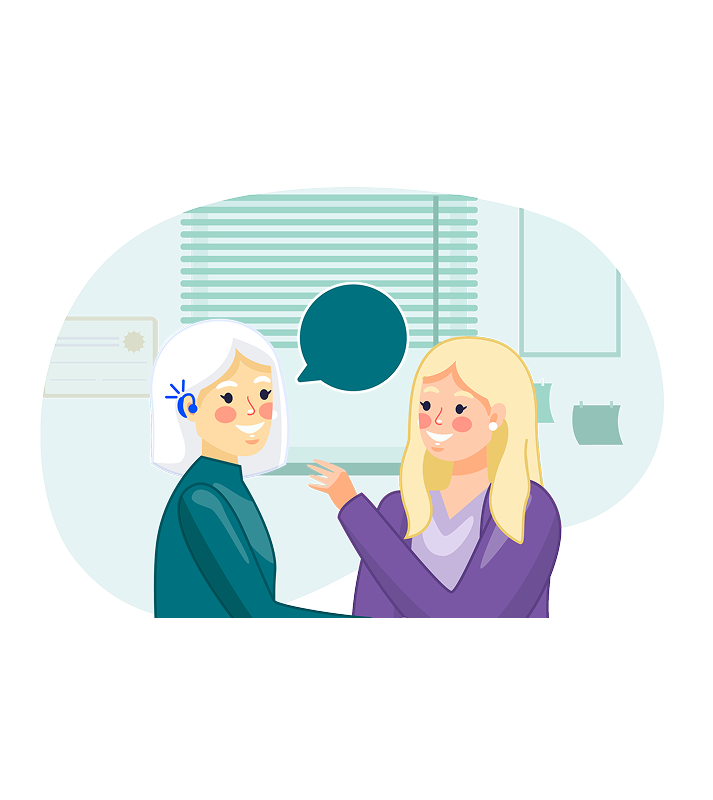
The high number of adults 55+ in the Sarnia-Lambton region is placing increased pressure on PCPs. This model supports PCPs by developing tailored prevention plans for older adults who are at risk of experiencing frailty. The service provides assessment, care planning, and referral support. It ensures that people feel empowered to manage their health conditions and have support in place for their mental health, social, and practical needs.
A navigation service for chronic conditions
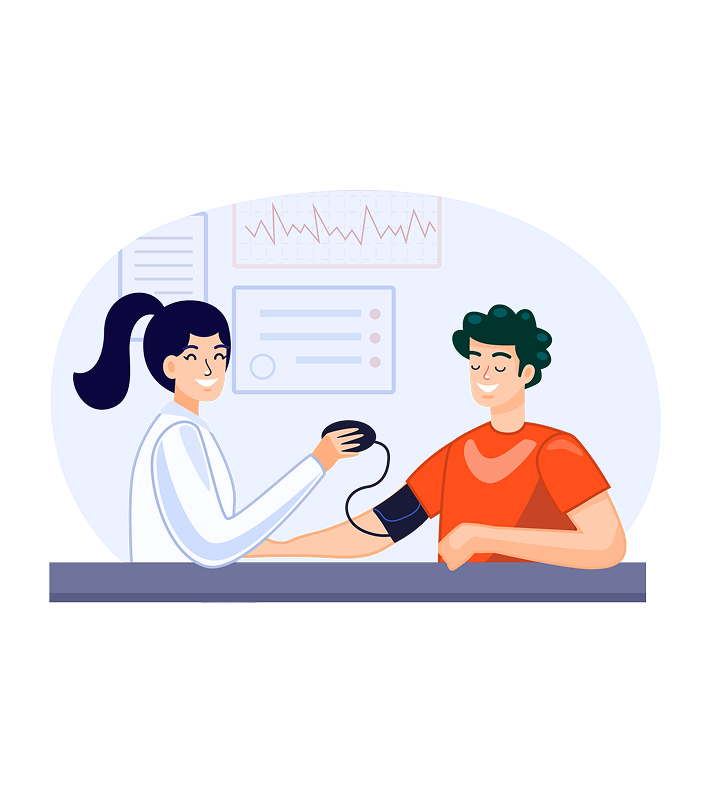
It can be challenging to know what services exist and how to access them across such a wide region. PCPs need a multidisciplinary navigation service to handle the referral process on their behalf, allowing them to focus on patient care. This team will ensure that each patient’s holistic needs are met by bringing together a small group of navigators with different specializations to operate as a regional central intake, accepting referrals from all of the PCPs in Sarnia-Lambton. This will allow navigators to colocate, collaborate, reduce rejected referrals, and shorten wait times.
Outcomes
The project produced a suite of deliverables that helped the region to clearly articulate a path forward. These included a detailed insights report synthesizing perspectives across stakeholders, patient personas and use-case scenarios to illustrate how the models would function in real life, as well as value proposition maps outlining the benefits of each model for patients, providers, and the system. We also developed service blueprints for each proposed hub, which provided a practical foundation for future funding applications, communication between project partners, and implementation planning.
Team-based care is the future of primary care across all jurisdictions, but our regionally-focused design process ensures that the proposed models do not follow a one-size-fits-all approach. As the Sarnia Lambton OHT moves forward in implementing new models of care for their region, they can act with confidence knowing the models have been rigorously co-designed and tested with the people who deliver and receive care across their region.
The workshop, held in Sarnia, brought together interdisciplinary healthcare providers from across the region.